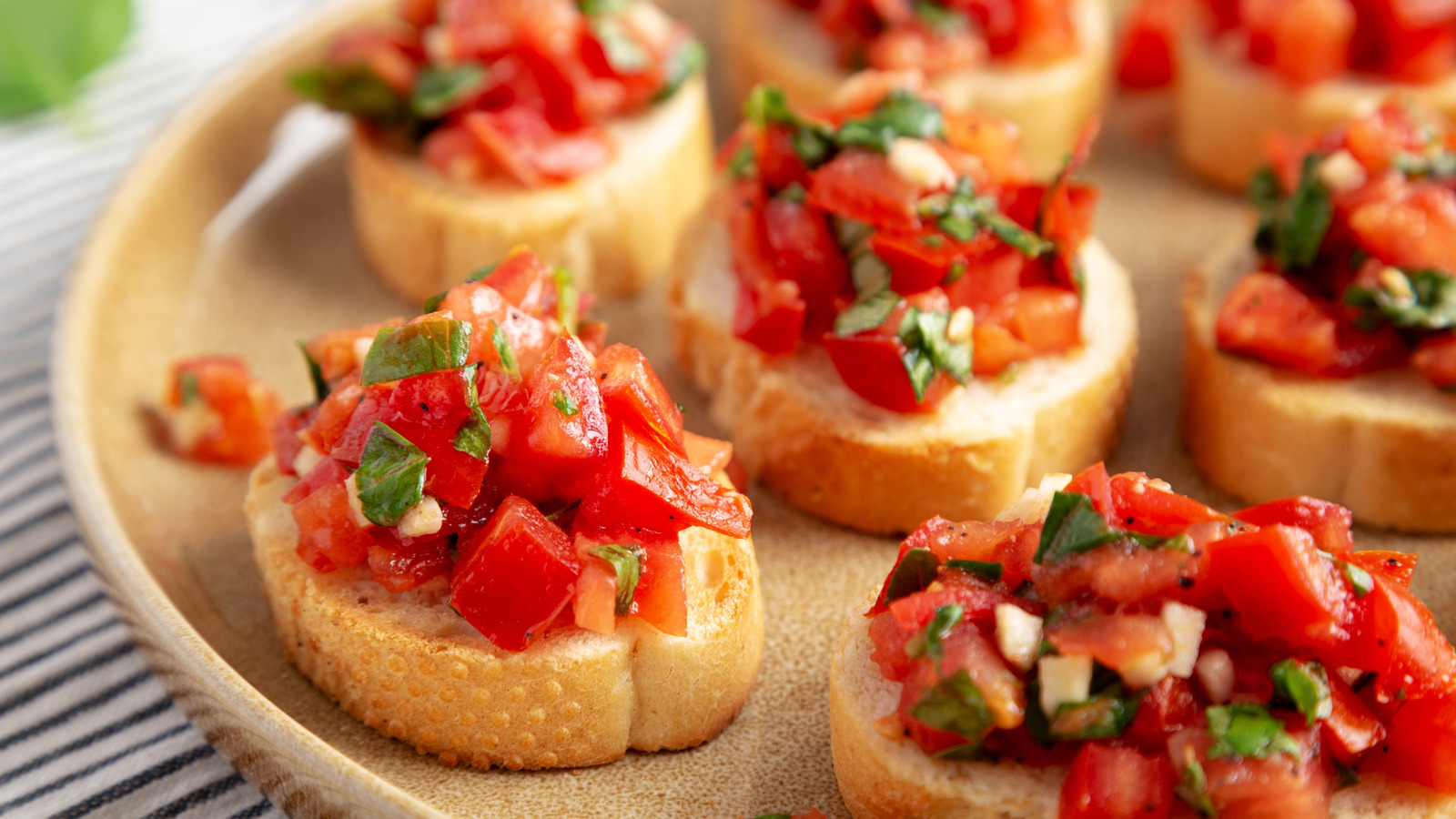
Crostini vs. Bruschetta: Decoding Italy's Beloved Toasted Bites
Italy, a land renowned for its culinary delights, offers a vast array of appetizers that tantalize the taste buds and set the stage for memorable meals. Among the most popular are two humble yet incredibly versatile dishes: crostini and bruschetta. Often mistaken for one another, these "little toasts" each boast unique characteristics, histories, and serving traditions. While both involve toasted bread and delicious toppings, understanding their key differences can elevate your appreciation and culinary adventures. In this comprehensive guide, we'll dive deep into what sets crostini apart from bruschetta and explore a world of creative topping ideas to inspire your next gathering.The Fundamental Differences: Crostini vs. Bruschetta
While both crostini and bruschetta are delightful Italian appetizers featuring toasted bread, their distinctions lie in size, bread type, preparation, and traditional toppings. Grasping these nuances is crucial for any discerning food lover.- The Bread Base: Size and Type
The most immediate difference is often in the bread itself. Crostini, meaning "little toasts" or "little crusts" in Italian (from the singular crostino, derived from "crosta" for crust), are typically made from smaller, thinner slices of bread. A baguette or a slender artisan loaf is the classic choice, yielding delicate, bite-sized pieces that are roughly ½-inch thick. This smaller format makes them ideal for elegant finger food.
Bruschetta, on the other hand, traditionally utilizes larger, thicker slices of rustic, often day-old Italian bread, such as a country loaf or sourdough. These slices are more substantial, making bruschetta a heartier appetizer that can sometimes serve as a light meal.
- Preparation and Texture
Both dishes involve toasting the bread, but the method and desired texture can vary. For crostini, the bread is usually brushed with olive oil and then toasted or grilled until crisp and golden brown all the way through. The goal is a light, airy crunch that can support a variety of toppings without becoming soggy. Our guide on How to Make Perfect Crostini: Crispy Slices & Top Topping Ideas provides detailed instructions for achieving that perfect crispness.
Bruschetta is often grilled over an open flame, creating a slightly charred, robust exterior with a softer, chewier interior. A defining characteristic of traditional bruschetta is that the warm, toasted bread is often rubbed vigorously with a raw garlic clove before being drizzled generously with extra-virgin olive oil, infusing it with an intense aromatic base.
- Traditional Toppings and Versatility
Here’s where the true versatility of crostini shines. Due to their smaller size and neutral base, they accommodate an incredibly wide array of toppings. From rich pâtés and creamy cheeses to fresh fruits, cured meats, and roasted vegetables, crostini are a canvas for culinary creativity. They are perfect for showcasing complex flavor combinations and are a staple at Italian aperitivi (pre-dinner drinks) and festive gatherings.
Bruschetta, while also open to innovation, is most famously associated with its classic preparation: fresh, diced ripe tomatoes, basil, and a final drizzle of extra-virgin olive oil. This simple, fresh topping celebrates the quality of its ingredients and perfectly complements the garlicky, robust bread.
- Origins and Purpose
The history of crostini dates back to medieval Italy, born out of necessity among peasants. They would toast small slices of stale bread over an open fire, using them as edible plates to conserve resources and minimize food waste. This humble origin underscores Italy's enduring emphasis on resourcefulness and fresh, seasonal ingredients, a topic further explored in our article What Are Crostini? History & Versatility of Italian "Little Toasts".
Bruschetta also has ancient roots, believed to have originated in ancient Rome as a way for olive growers to sample their freshly pressed olive oil. The simple act of drizzling new oil over toasted bread highlights its purity and flavor.
The Enduring Appeal of Crostini: More Than Just "Little Toasts"
Mastering the Crostini Base: Tips for Perfection
While the toppings steal the show, a truly great crostini starts with a perfectly prepared base. Here are essential tips for crafting that ideal crispy canvas:- Choose the Right Bread: A high-quality baguette is the classic choice. Its narrow diameter and fine crumb provide the ideal structure for thin, crisp slices. Any long, crusty artisan loaf can also work. Day-old bread is often preferred as it slices more easily and toasts up even crisper, though fresh bread works just fine.
- Slice Consistently: Aim for slices about ½ inch (1.25 cm) thick. Consistency is key for even toasting. A serrated bread knife will make clean cuts easier.
- Prepare for Toasting: Lay the slices on a baking sheet. Lightly brush or drizzle each side with good quality extra-virgin olive oil. A little salt and pepper can be added for a seasoned base, but remember to consider the saltiness of your chosen toppings.
- Oven Method (Recommended): Preheat your oven to 400°F (200°C). Arrange the oiled bread slices in a single layer on a baking sheet. Bake for 10-12 minutes, flipping them halfway through to ensure even toasting and a golden-brown crispness on both sides. Keep a close eye on them, as they can go from perfectly golden to burnt quickly.
- Make-Ahead & Storage: Crostini bases can be made several hours, or even a day, in advance. Once fully cooled, store them in an airtight container at room temperature to maintain their crunch. This allows you to focus on topping preparation closer to serving time.
Creative Crostini Topping Ideas for Every Palate
The real fun with crostini begins with the toppings. Their small size encourages experimentation and allows for a wide array of flavors to be presented. Here are some inspiring ideas, ranging from classic combinations to modern twists:- Savory & Classic:
- Prosciutto and Fig: Thinly sliced prosciutto draped over a smear of mascarpone or goat cheese, topped with fresh fig slices and a drizzle of balsamic glaze.
- Goat Cheese and Honey: Creamy goat cheese spread, a generous drizzle of honey, and a sprinkle of fresh thyme or black pepper.
- Smoked Salmon and Dill Cream: A dollop of dill-infused cream cheese or crème fraîche, topped with a curl of smoked salmon and a fresh dill sprig.
- Crostini Toscani: A rich chicken liver pâté, often seasoned with capers and anchovies, offering a taste of traditional Tuscany.
- Mushroom and Thyme: Sautéed mixed mushrooms with garlic and fresh thyme, perhaps finished with a shaving of Parmesan or a hint of truffle oil.
- Vegetarian Delights:
- Roasted Red Pepper and Feta: A vibrant spread of roasted red pepper puree, crumbled feta cheese, and a sprinkle of fresh parsley.
- Whipped Ricotta and Roasted Cherry Tomatoes: Creamy whipped ricotta seasoned with lemon zest, topped with burst cherry tomatoes and basil.
- Pesto and Sun-Dried Tomato: A generous spread of homemade or quality store-bought pesto, adorned with slivers of sun-dried tomatoes and a pine nut.
- Sweet & Savory Surprises:
- Brie and Raspberry Jam: Melted brie cheese (warm the crostini briefly with the brie on top), finished with a spoonful of high-quality raspberry jam.
- Apple, Cheddar, and Walnut: Thin apple slices, a small piece of sharp cheddar (can be lightly melted), and a toasted walnut for crunch.
