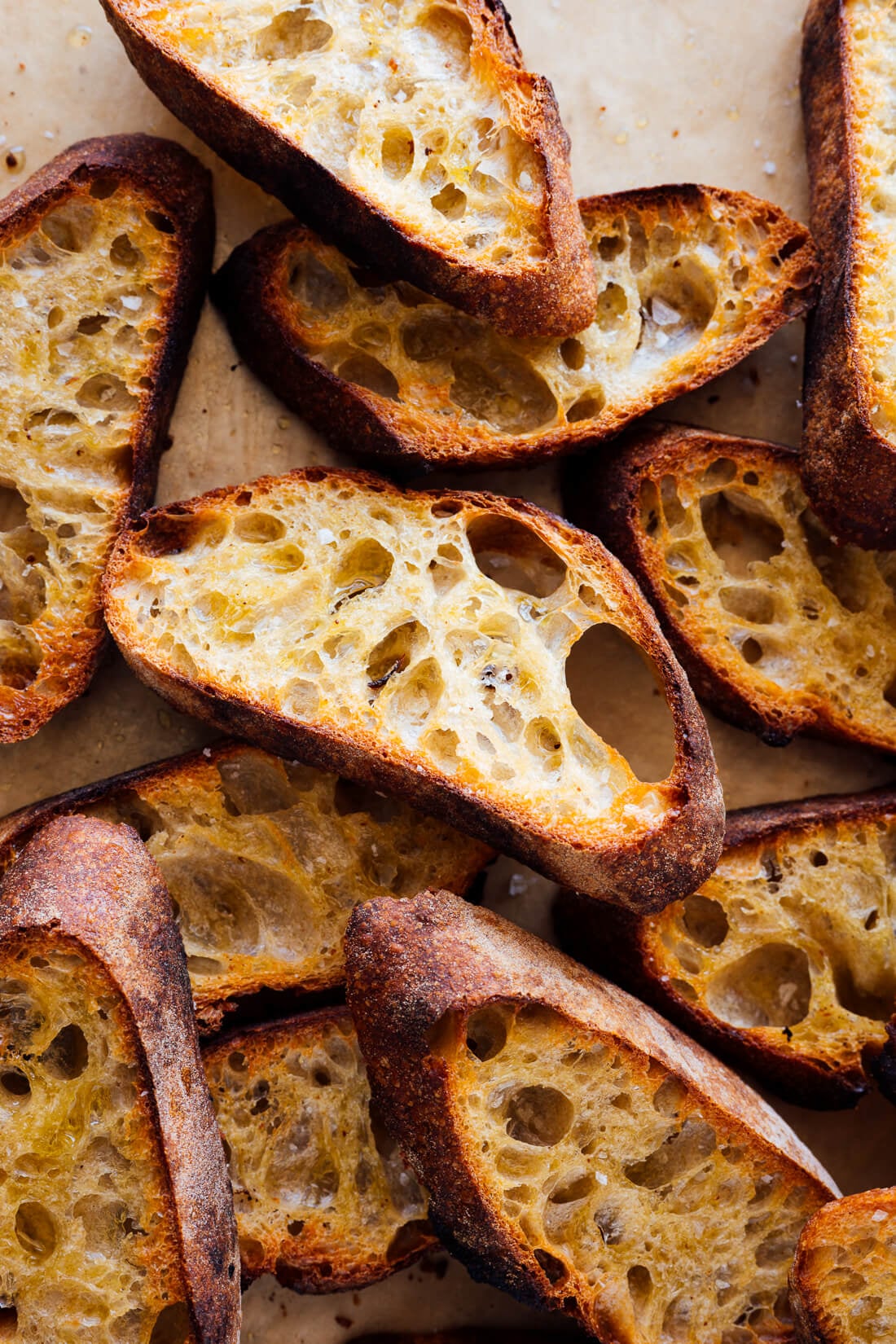
How to Make Perfect Crispy Crostini & Delightful Topping Ideas
The humble crostino, translating elegantly to "little toast" or "little crust" from Italian, stands as a testament to the country's culinary genius: taking simple, quality ingredients and transforming them into something extraordinary. These bite-sized marvels are more than just toasted bread; they are crispy canvases awaiting a symphony of savory (or even sweet) flavors. Perfect for aperitivi, festive gatherings, or a sophisticated snack, mastering the art of crostini means unlocking a world of effortless entertaining and delicious discovery. This guide will walk you through crafting the ultimate crispy base and inspire you with a myriad of irresistible topping ideas to impress any palate.
What Exactly Are Crostini? The Humble Beginnings of an Italian Gem
At its heart, a crostino is a small, thinly sliced piece of bread, typically a baguette, brushed with olive oil and toasted until exquisitely crisp. Its history is as rich as its flavor, tracing back to medieval Italy where resourceful peasants utilized stale bread as an edible plate. This ingenious practice not only minimized food waste but also compensated for the scarcity of ceramic plates, evolving from a necessity into a cherished culinary tradition. While crostini have retained their humble roots, they have ascended to become a beloved staple of Italian cuisine, celebrated for their satisfying crunch and unparalleled ability to showcase seasonal ingredients.
Often confused with its larger cousin, bruschetta, crostini are distinct in several key ways. Crostini are characteristically smaller, usually cut from a slender baguette, offering a more delicate bite. This smaller size also makes them incredibly versatile, accommodating a wider and more intricate array of toppings compared to the rustic, often garlic-rubbed and tomato-focused bruschetta. For a deeper dive into their fascinating history and evolution, explore
What Are Crostini? History & Versatility of Italian "Little Toasts". If you're curious about the nuances distinguishing these two Italian icons, be sure to read our detailed comparison in
Crostini vs. Bruschetta: Key Differences & Creative Topping Ideas.
Crafting the Perfect Crispy Crostini Base
The secret to truly spectacular crostini lies in the base. A perfectly crisp crostino provides the ideal textural contrast to creamy, chunky, or delicate toppings, enhancing every bite. Here's how to achieve that golden perfection every time:
Choosing the Right Bread and Slicing It Perfectly
The classic choice for crostini is a
baguette. Its slender shape and tight crumb are ideal for yielding small, uniform slices. While fresh bread works, using a day or two old baguette can actually be advantageous, as it has less moisture, leading to a crisper toast. If a baguette isn't available, any long, artisan loaf with a relatively dense texture can be substituted.
The key to an excellent crostini texture is consistent slicing. Aim for slices approximately
½ inch thick. You can cut them straight across or, for a more elegant presentation and slightly larger surface area for toppings, slice them on the bias (at an angle). Use a sharp serrated knife to ensure clean cuts without squashing the bread.
The Essential Role of Olive Oil and Seasoning
Once sliced, each piece of bread needs a generous embrace of olive oil.
Extra virgin olive oil is paramount here – its fruity, peppery notes infuse the bread with flavor and contribute to that beautiful golden crust. You can brush the oil onto both sides of each slice using a pastry brush, or simply arrange the slices on a baking sheet and drizzle them generously before lightly massaging the oil into the bread with your fingers. Ensure even coverage for uniform crispness and flavor.
Seasoning is simple but crucial. A sprinkle of flaky sea salt before toasting enhances the bread's flavor. Black pepper is optional and can be added if your chosen toppings aren't already heavily seasoned. Remember, if your toppings are particularly salty (like prosciutto or cured olives), you might want to skip or go light on the salt for the base.
Mastering the Oven Method for Golden Perfection
While crostini can be grilled or pan-fried, the oven method is by far the easiest and most consistent, especially when making a larger batch.
1. **Preheat:** Set your oven to
400°F (200°C). This temperature ensures quick toasting and a crisp exterior without drying out the interior too much.
2. **Arrange:** Lay your oiled and seasoned bread slices in a single layer on a baking sheet. Avoid overcrowding, as this can steam the bread rather than toast it, resulting in a chewy rather than crispy texture. Use multiple sheets if necessary.
3. **Toast:** Bake for approximately
10 to 12 minutes. The exact timing can vary slightly depending on your oven and the bread's thickness.
4. **Flip:** For even toasting and a perfect golden hue on both sides, flip the crostini halfway through the baking time (around the 5-6 minute mark).
5. **Cool:** Once golden brown and crisp, remove the crostini from the oven and let them cool on a wire rack. This allows air to circulate, preventing condensation and ensuring they stay perfectly crunchy.
Make-Ahead Tips for Your Crostini
One of the beauties of crostini is that the toasted bases can be prepared in advance. Once fully cooled, store your crispy crostini in an airtight container at room temperature for up to 3-4 days. This makes entertaining a breeze – simply prepare the toppings closer to serving time, and assemble. If they lose a little crispness, a quick 2-3 minute reheat in a 350°F (175°C) oven will revive them.
Elevate Your Appetizer: Inspiring Crostini Topping Ideas
With your perfect crispy bases ready, it’s time for the fun part: the toppings! The versatility of crostini is truly boundless, limited only by your imagination and the freshest ingredients you can find.
Classic Italian Combinations
These options pay homage to the rich traditions of Italian cuisine:
- Crostini Toscani: A robust and earthy chicken liver pâté, often enriched with capers and anchovies, is a Tuscan classic.
- Prosciutto and Fig: The sweet earthiness of fresh or dried figs perfectly complements salty, thinly sliced prosciutto, often with a drizzle of balsamic glaze.
- Goat Cheese and Honey: Creamy, tangy goat cheese softened slightly, drizzled with local honey, and a sprinkle of fresh thyme is a simple yet sophisticated delight.
- Ricotta, Lemon Zest, and Black Pepper: A light, fresh, and zesty option that's incredibly simple to prepare.
Modern & Creative Pairings
Branch out with these contemporary and delicious ideas:
- Smoked Salmon and Dill Cream: A luxurious combination of flaky smoked salmon, a dollop of cream cheese mixed with fresh dill and lemon juice, and a sprinkle of capers.
- Mushroom and Truffle Oil: Sautéed mixed mushrooms (cremini, shiitake) with garlic and herbs, finished with a whisper of truffle oil for an aromatic indulgence.
- Roasted Red Pepper and Feta: Sweet, smoky roasted red peppers (jarred or homemade) combined with crumbled feta cheese and a hint of fresh oregano.
- Caramelized Onion and Gorgonzola: Sweet, slow-cooked caramelized onions provide a counterpoint to the sharp, pungent flavor of gorgonzola cheese.
Vegetarian & Vegan Friendly Options
Crostini are incredibly adaptable for plant-based diets:
- Tomato and Basil (Mini Bruschetta): Diced ripe tomatoes, fresh basil, garlic, and a good splash of olive oil – a fresh and vibrant classic.
- Avocado and Chili Flakes: Smashed avocado (seasoned with lime, salt, and pepper) topped with a pinch of red chili flakes and perhaps some finely chopped cilantro.
- White Bean and Rosemary Spread: Cannellini beans mashed with garlic, fresh rosemary, olive oil, and a squeeze of lemon juice, creating a rustic and satisfying spread.
- Roasted Butternut Squash and Sage: Cubes of roasted butternut squash seasoned with sage and a touch of maple syrup, mashed or left chunky.
The Art of the Finishing Touch
A thoughtful garnish can transform your crostini from good to extraordinary. Consider a final drizzle of high-quality extra virgin olive oil, a sprinkle of flaky sea salt, freshly cracked black pepper, fresh herbs (parsley, chives, basil, thyme), a dash of balsamic glaze, or even toasted nuts for added crunch. These small additions elevate both the visual appeal and the flavor profile.
Pro Tips for Crostini Perfection
- Balance Flavors and Textures: Aim for a mix of creamy, crunchy, salty, sweet, and acidic elements in your toppings to create a dynamic flavor experience.
- Don't Overload: Crostini are meant to be elegant, two-bite appetizers. Avoid piling on too much topping, which can make them messy and difficult to eat.
- Temperature Matters: While the crostini base should be cool and crisp, some toppings (like melted cheese or warm mushroom ragout) can be served warm, offering a delightful contrast.
- Assemble Just Before Serving: To prevent your perfectly crisp crostini from becoming soggy, assemble them with their toppings no more than 30 minutes before serving. For very moist toppings, assemble them right before guests arrive.
- Pairing with Aperitivi: Crostini are the quintessential accompaniment to Italian aperitivi, such as prosecco, light white wines, or classic cocktails like an Aperol Spritz.
In conclusion, making perfect crostini is a rewarding culinary endeavor that combines simplicity with sophisticated results. From the careful slicing of a baguette to the precise toasting with olive oil, and finally, to the imaginative array of toppings, each step contributes to an unforgettable appetizer. Whether you lean towards traditional Italian flavors or enjoy experimenting with modern combinations, crostini offer an adaptable and elegant solution for any occasion. Embrace the spirit of Italian resourcefulness and creativity, and enjoy crafting these delightful little toasts that are sure to be a crowd-pleaser.