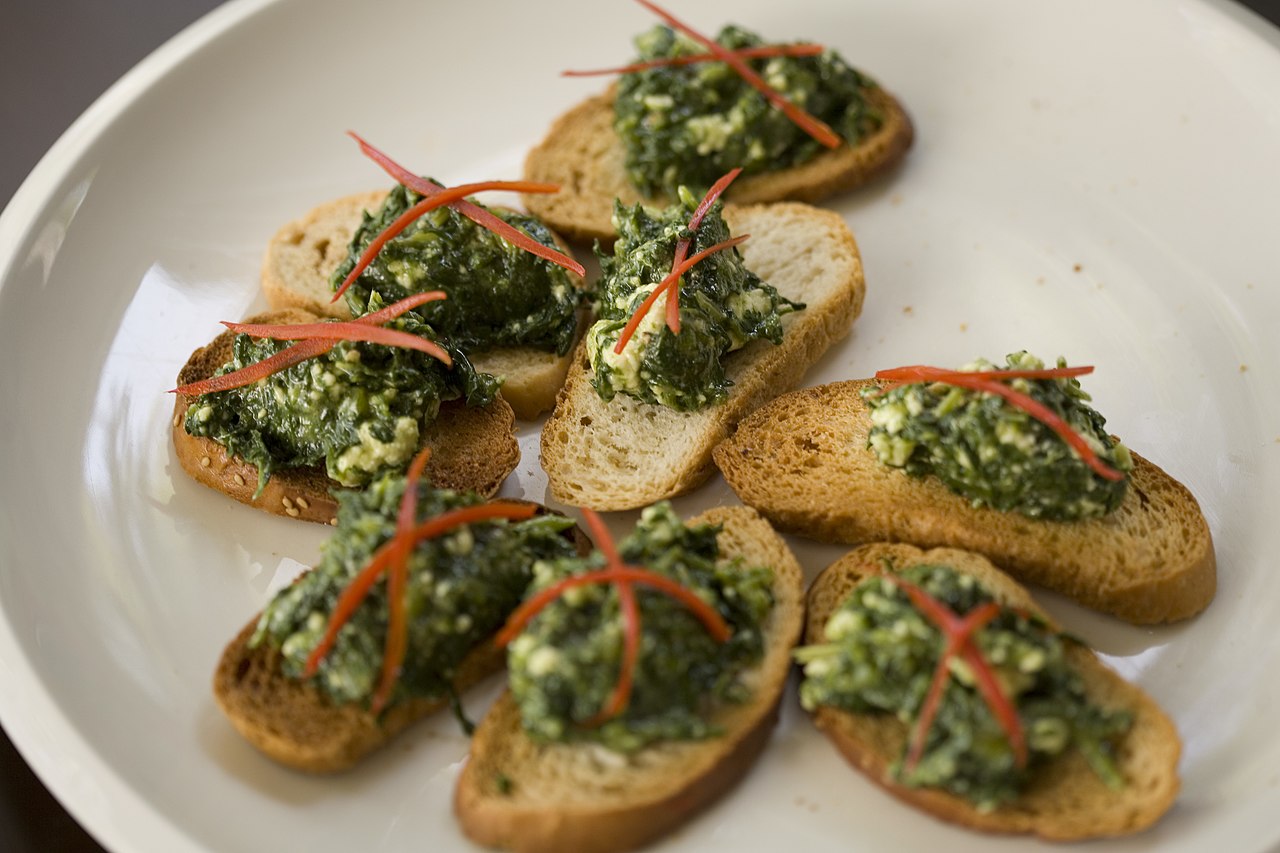
What Are Crostini? The Humble "Little Toasts" with a Rich History
Step into almost any Italian gathering, from a casual aperitivo to an elaborate dinner party, and you're likely to encounter a platter of crostini. These delightful, bite-sized "little toasts" are far more than just bread and toppings; they represent a cornerstone of Italian culinary ingenuity, blending simplicity, versatility, and historical charm. The word crostini, the plural form of crostino, directly translates from Italian as "little crusts" or "little toasts," a name that perfectly encapsulates their essence as crisp, savory carriers for a myriad of flavors. At its core, a crostino is a small slice of bread, typically a baguette or similar artisan loaf, brushed with extra-virgin olive oil, toasted until golden and crunchy, and then adorned with a delectable topping. What makes crostini so beloved is not just their satisfying crunch but their extraordinary ability to transform simple ingredients into elegant appetizers, showcasing the freshness and regional diversity for which Italian cuisine is renowned.The Humble Origins of Crostini: From Peasant Plate to Culinary Delight
The story of crostini begins not in the lavish kitchens of Renaissance Italy, but in the frugal households of medieval peasants. In an era when ceramic plates were a luxury and food waste was unthinkable, resourceful agrarian communities discovered a brilliant solution: using slices of stale bread as edible plates. These "little crusts" (from the Italian crosta, meaning "crust" or "rind," ultimately derived from the Latin crusta) were often toasted over an open fire, making them sturdy enough to hold a meal and capable of soaking up precious juices without disintegrating. This practice minimized waste and provided a practical, economical serving vessel for limited ingredients. This inventive approach, born out of necessity, laid the foundation for the crostini we know today. Over centuries, as culinary traditions evolved, these humble bread slices transcended their utilitarian role. They moved from being a simple base for daily sustenance to a prized appetizer, refined and celebrated for their ability to complement and elevate seasonal flavors. The journey of crostini from a peasant's plate to a sophisticated staple is a testament to Italy's enduring emphasis on resourcefulness and its deep connection to its agricultural roots.Crostini vs. Its Cousins: Understanding the "Little Toast"
While crostini might seem similar to other toasted bread appetizers, particularly bruschetta, there are distinct characteristics that set it apart. Understanding these differences is key to appreciating the unique charm of crostini. * Size and Bread Type: Crostini are typically made from smaller, thinner slices of bread, most commonly a baguette or a slender artisan loaf. These slices are usually about ½ inch thick and produce a delicate, bite-sized crisp. * Preparation: The bread slices are almost always brushed or drizzled with olive oil before being toasted until uniformly crisp. * Toppings: Crostini are celebrated for their adaptability, accommodating an incredibly wide range of toppings—from creamy cheeses and delicate pâtés to vibrant vegetables and sophisticated seafood. The smaller size allows for more intricate and varied flavor combinations on a single platter. In contrast, bruschetta generally uses thicker, heartier slices of rustic Italian bread, often grilled until charred and then famously rubbed with garlic before being drizzled with olive oil and topped with fresh tomatoes. While both are delicious, crostini offers a more refined and versatile canvas for creative flavor pairings. For a deeper dive into their distinctions and creative ideas for both, explore our article on Crostini vs. Bruschetta: Key Differences & Creative Topping Ideas.Crafting the Perfect Crostini: Bread, Bake, and Beyond
Creating delicious crostini at home is surprisingly simple, requiring minimal effort for maximum flavor payoff. The key lies in selecting the right bread and mastering the toasting technique.Choosing Your Bread
- The Classic Baguette: This is the go-to choice for crostini. Its slender shape allows for consistent, small slices that toast beautifully.
- Artisan Loaves: Any long, rustic artisan loaf with a relatively dense crumb can work well. Avoid overly airy or soft breads that might become too crumbly.
- A Day or Two Old: While not strictly necessary, bread that's a day or two old can be slightly easier to slice thinly and holds its shape better during toasting.
The Toasting Process: Oven Method (Our Favorite!)
The oven provides an even, hands-off way to achieve perfectly crisp crostini every time.
- Slice the Bread: Aim for slices approximately ½ inch thick. Uniformity helps ensure even toasting.
- Brush with Olive Oil: Arrange the slices on a baking sheet. Lightly brush or drizzle both sides with good quality extra-virgin olive oil. A touch of salt and freshly ground black pepper can be added at this stage, though you might skip the salt if your chosen toppings are already salty.
- Bake to Perfection: Preheat your oven to 400°F (200°C). Bake for about 10-12 minutes, flipping the crostini halfway through to ensure even browning and crispness on both sides. Keep a close eye on them, as they can go from golden to burnt quickly.
For more detailed instructions, troubleshooting tips, and even grilling alternatives, check out our comprehensive guide: How to Make Perfect Crostini: Crispy Slices & Top Topping Ideas.
Make-Ahead Tips
One of the beauties of crostini is that the toasted bread bases can be prepared in advance. Once cooled completely, store them in an airtight container at room temperature for up to 3-4 days. This allows you to focus on preparing your toppings closer to serving time, making entertaining a breeze.
Endless Culinary Canvas: Exploring Crostini Topping Ideas
Savory Classics & Modern Twists
- Cheesy Delights:
- Goat Cheese & Honey: A perennial favorite, combining tangy goat cheese with a drizzle of sweet honey and perhaps a sprinkle of fresh thyme.
- Ricotta & Herbs: Creamy ricotta cheese, brightened with lemon zest and fresh herbs like chives or basil.
- Gorgonzola & Fig: The pungent creaminess of Gorgonzola paired with sweet fig jam or fresh figs.
- Meaty & Pâté Perfection:
- Crostini Toscani: The quintessential Tuscan offering, featuring a rich chicken liver pâté.
- Prosciutto & Melon/Fig: Salty, delicate prosciutto draped over a thin slice of melon or a fresh fig.
- Salami/Cured Meats: Thinly sliced artisanal salami with a spread of olive tapenade or roasted red pepper pesto.
- Vibrant Vegetable Creations:
- Roasted Red Pepper & Feta: Sweet roasted peppers with salty, crumbled feta and a hint of oregano.
- Wild Mushroom & Thyme: Sautéed mixed mushrooms with garlic and fresh thyme, perhaps finished with a touch of truffle oil.
- Artichoke Heart & Parmesan: Marinated artichoke hearts, finely chopped and mixed with grated Parmesan.
- Seafood Sensations:
- Smoked Salmon & Dill Cream: Elegant smoked salmon atop a creamy dill-infused cheese spread, garnished with capers.
- Tuna or Sardine Spreads: High-quality tinned fish mashed with olive oil, lemon, and herbs for a Mediterranean flair.
- Sweet Variations (Dessert Crostini): Don't limit crostini to savory! Try mascarpone with fresh berries and mint, or a hazelnut spread with sliced banana and a dusting of cocoa.
The secret to exceptional crostini toppings often lies in celebrating seasonal ingredients and enhancing flavors with a final drizzle of high-quality extra-virgin olive oil, a sprinkle of fresh herbs, or a twist of black pepper. The possibilities are truly endless, reflecting the regional diversity and culinary creativity found throughout Italy.
